
August 14, 2026
Spring Shedding Survival Guide: What to Expect and How to Manage It
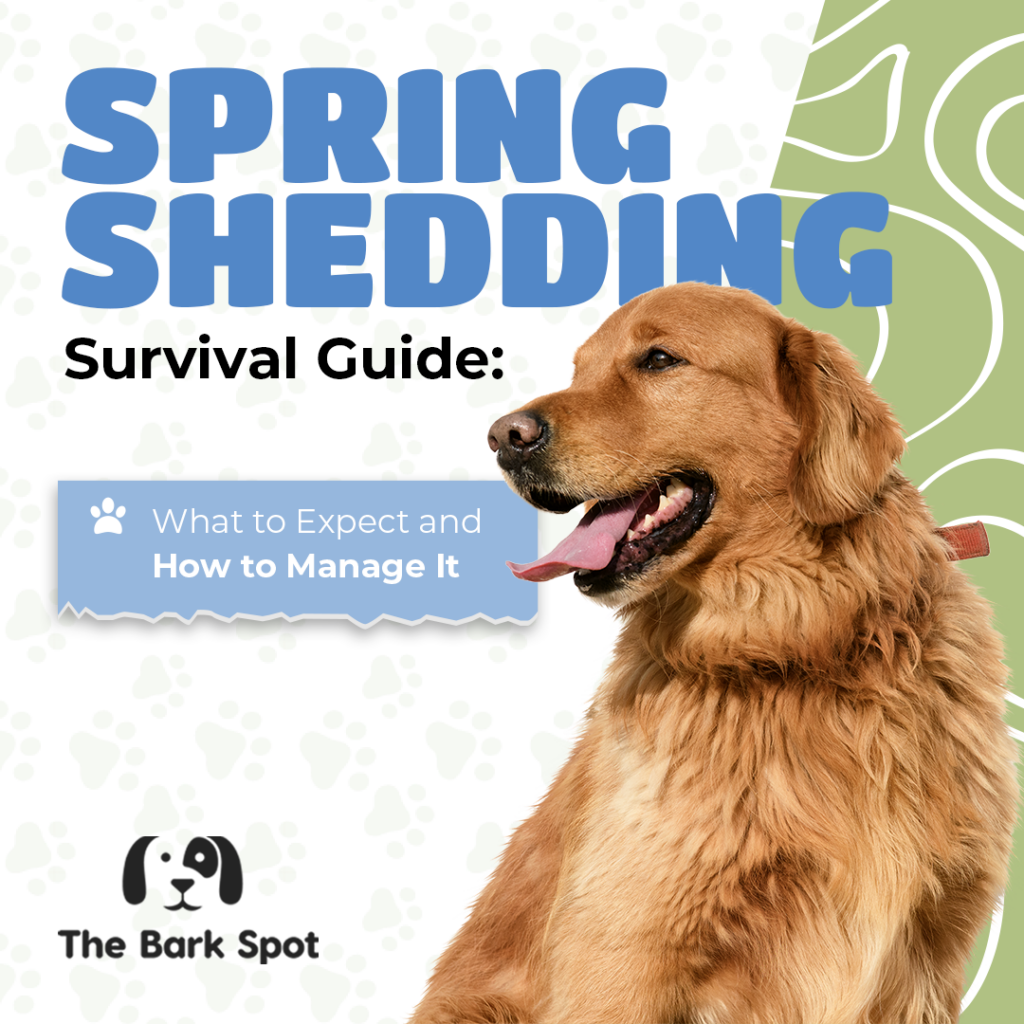
As temperatures rise and winter fades away, many dog owners notice one major seasonal change happening inside their homes: fur everywhere. From tumbleweeds of hair rolling across the floor to extra lint on your clothes and furniture, spring shedding season can feel overwhelming if you are not prepared for it.
The good news is that shedding is completely normal for many dogs, especially during seasonal transitions. With the right grooming routine and a little extra maintenance, you can help your dog stay comfortable while keeping your home cleaner during peak shedding months.
Here is what to expect during spring shedding season and how to manage it effectively.
Why Dogs Shed More in the Spring
Many dogs naturally develop thicker coats during colder months to help regulate body temperature. Once warmer weather arrives, they begin shedding their heavier winter coat to prepare for spring and summer temperatures.
This process is commonly called “blowing the coat,” especially in double-coated breeds. During this time, dogs can lose large amounts of fur over several weeks.
Spring shedding is influenced by:
- Longer daylight hours
- Rising temperatures
- Seasonal coat changes
- Breed type
- Overall health and nutrition
While all dogs shed to some extent, some breeds experience much heavier seasonal shedding than others.
Which Dogs Shed the Most?
Dogs with double coats tend to shed the heaviest during spring. These breeds have a dense undercoat beneath their topcoat that loosens dramatically during seasonal changes.
Some common heavy shedders include:
- Golden Retrievers
- Labrador Retrievers
- German Shepherds
- Huskies
- Australian Shepherds
- Border Collies
- Corgis
- Bernese Mountain Dogs
- Akitas
- Pomeranians
Even short-haired breeds can shed significantly during spring, although the fur may be less noticeable than long-haired dogs.
What Normal Spring Shedding Looks Like
Normal seasonal shedding may include:
- Increased fur around your home
- Clumps of loose undercoat
- Fur coming out easily during brushing
- A thinner coat as warmer weather approaches
- More hair collecting after baths or grooming
This process typically lasts anywhere from a few weeks to a couple of months, depending on your dog’s breed, coat type, and environment.
Indoor dogs may shed more consistently year-round because artificial lighting and temperature control can affect their natural shedding cycles.
Signs Shedding May Be Something Else
Although seasonal shedding is normal, excessive hair loss can sometimes indicate an underlying issue. If you notice any of the following symptoms, it may be time to schedule a veterinary visit:
- Bald patches
- Red or irritated skin
- Excessive scratching
- Dandruff or flaky skin
- Strong odors
- Hair thinning in unusual areas
- Sudden changes in coat texture
- Constant licking or chewing
Health conditions, allergies, stress, parasites, or poor nutrition can all contribute to abnormal shedding.
How to Manage Spring Shedding
While you cannot completely stop shedding, you can dramatically reduce loose fur and help your dog maintain a healthy coat with proper care.
Brush Your Dog More Frequently
Regular brushing is one of the most effective ways to manage shedding. Brushing removes loose hair before it ends up on your floors, furniture, and clothing.
During peak shedding season, many dogs benefit from daily brushing.
The best type of brush depends on your dog’s coat:
- Slicker brushes help remove loose fur and tangles
- Undercoat rakes work well for double-coated breeds
- Deshedding tools help reduce excess undercoat buildup
- Bristle brushes are helpful for short-haired breeds
Frequent brushing also helps distribute natural oils throughout the coat, which supports healthier skin and fur.
Schedule Professional Grooming Appointments
Professional grooming can make a major difference during spring shedding season. Groomers use specialized tools, shampoos, and drying techniques designed to remove excess undercoat safely and efficiently.
A professional deshedding treatment often includes:
- Thorough brushing
- Coat blowout
- Bathing with coat-supporting shampoos
- High-velocity drying
- Undercoat removal
- Nail trimming and ear cleaning
Many dog owners are surprised by how much loose fur can be removed during one professional grooming session.
Routine grooming appointments throughout spring can help reduce shedding at home while keeping your dog more comfortable.
Bathe Your Dog Regularly
Bathing helps loosen and remove dead fur trapped in the coat. However, bathing too often or using the wrong products can dry out the skin and actually worsen shedding.
A balanced bathing schedule paired with dog-safe shampoos can help maintain healthy skin and coat condition.
Dogs with heavy undercoats often benefit from professional grooming baths because groomers use high-powered dryers that help remove loose hair far more effectively than air drying at home.
Feed a Healthy Diet
A healthy coat starts from the inside out. Nutrition plays a major role in skin and coat health, and poor-quality diets can contribute to excessive shedding.
Look for dog food that contains:
- High-quality protein
- Omega-3 fatty acids
- Omega-6 fatty acids
- Essential vitamins and minerals
Healthy fats support skin hydration and coat strength, helping reduce unnecessary hair breakage and dryness.
Always consult your veterinarian before adding supplements to your dog’s diet.
Keep Up With Flea Prevention
Spring also marks the return of flea and tick season. Parasites can irritate the skin and increase scratching, chewing, and hair loss.
Staying consistent with flea and tick prevention helps protect your dog’s coat and overall health during warmer months.
If your dog suddenly starts shedding excessively alongside itching or skin irritation, parasites may be contributing to the problem.
Vacuum More Often During Peak Season
Even with consistent grooming, some fur in your home is unavoidable during spring shedding season.
A few simple home maintenance habits can help:
- Vacuum carpets and furniture regularly
- Use washable furniture covers
- Keep lint rollers nearby
- Wash pet bedding frequently
- Brush your dog outdoors when possible
Managing shedding is often more about staying ahead of the fur instead of trying to eliminate it completely.
Don’t Shave Double-Coated Dogs
Some owners assume shaving their dog will help reduce shedding or keep them cooler during warmer weather. However, shaving double-coated breeds is usually not recommended unless medically necessary.
A dog’s coat helps regulate body temperature and protects their skin from sun exposure. Shaving can interfere with that natural insulation system and may even damage coat regrowth.
Instead of shaving, focus on regular brushing and professional deshedding services to manage excess fur safely.
Create a Consistent Grooming Routine
The best way to survive spring shedding season is consistency. Waiting until fur buildup becomes overwhelming often makes the process harder for both you and your dog.
A simple routine may include:
- Daily or weekly brushing
- Regular baths
- Professional grooming appointments
- Healthy nutrition
- Skin and coat monitoring
Staying proactive can make seasonal shedding far more manageable.
Why Grooming Matters During Shedding Season
Grooming is about more than appearance. Proper coat maintenance helps support your dog’s comfort, skin health, and overall well-being.
When excess undercoat is left unmanaged, it can lead to:
- Matting
- Skin irritation
- Trapped moisture
- Hot spots
- Discomfort
- Overheating
Routine grooming helps remove dead hair while allowing air to circulate properly through the coat.
Help Your Dog Stay Comfortable This Spring
Spring shedding may be messy, but it is a normal part of life for many dogs. With regular brushing, professional grooming, healthy nutrition, and a consistent care routine, you can minimize loose fur and keep your dog feeling their best throughout the season.
If your dog’s coat seems difficult to manage during peak shedding months, professional grooming support can make a noticeable difference. A proper deshedding treatment helps remove excess undercoat safely while keeping your dog clean, comfortable, and ready for warmer weather. Contact us today!